
Navigating the solar permit process for the first time can be challenging, especially for construction professionals familiar with building codes but new to the specific intricacies of the National Electrical Code (NEC) and utility interconnection requirements. This case study details how we partnered with a Florida contractor, Scott, to transform his initial uncertainty into a fully designed solar PV system with required stamped documentation for building department and utility interconnection permits.
The Initial Challenge: Clarity on Technology and Code Compliance
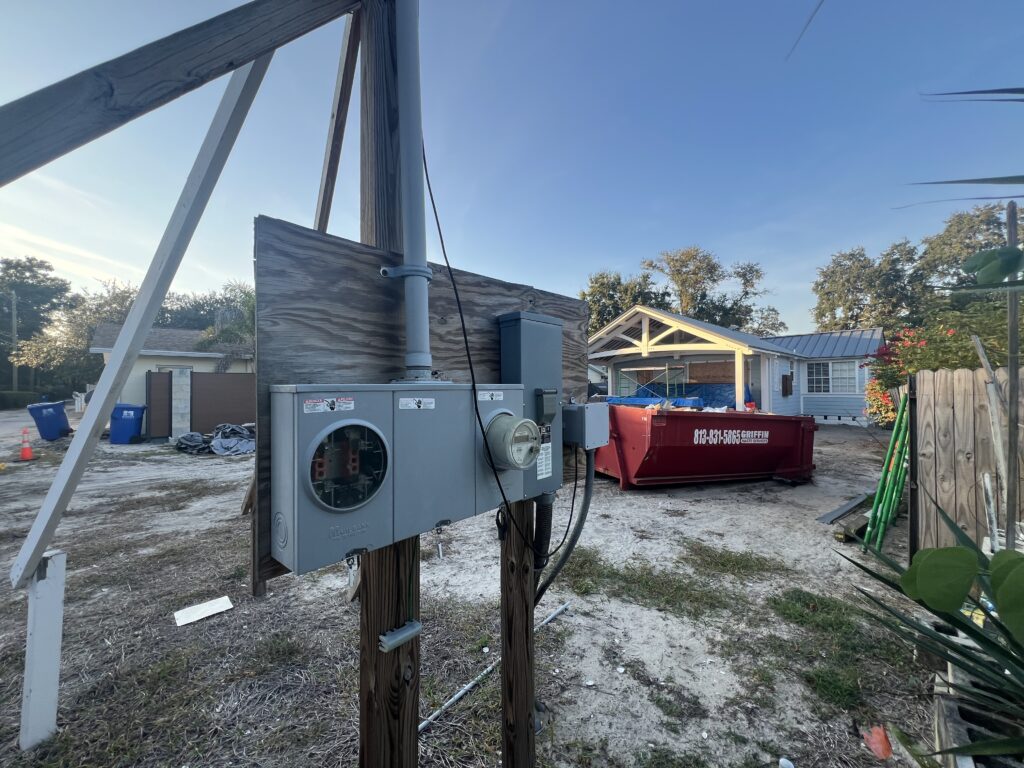
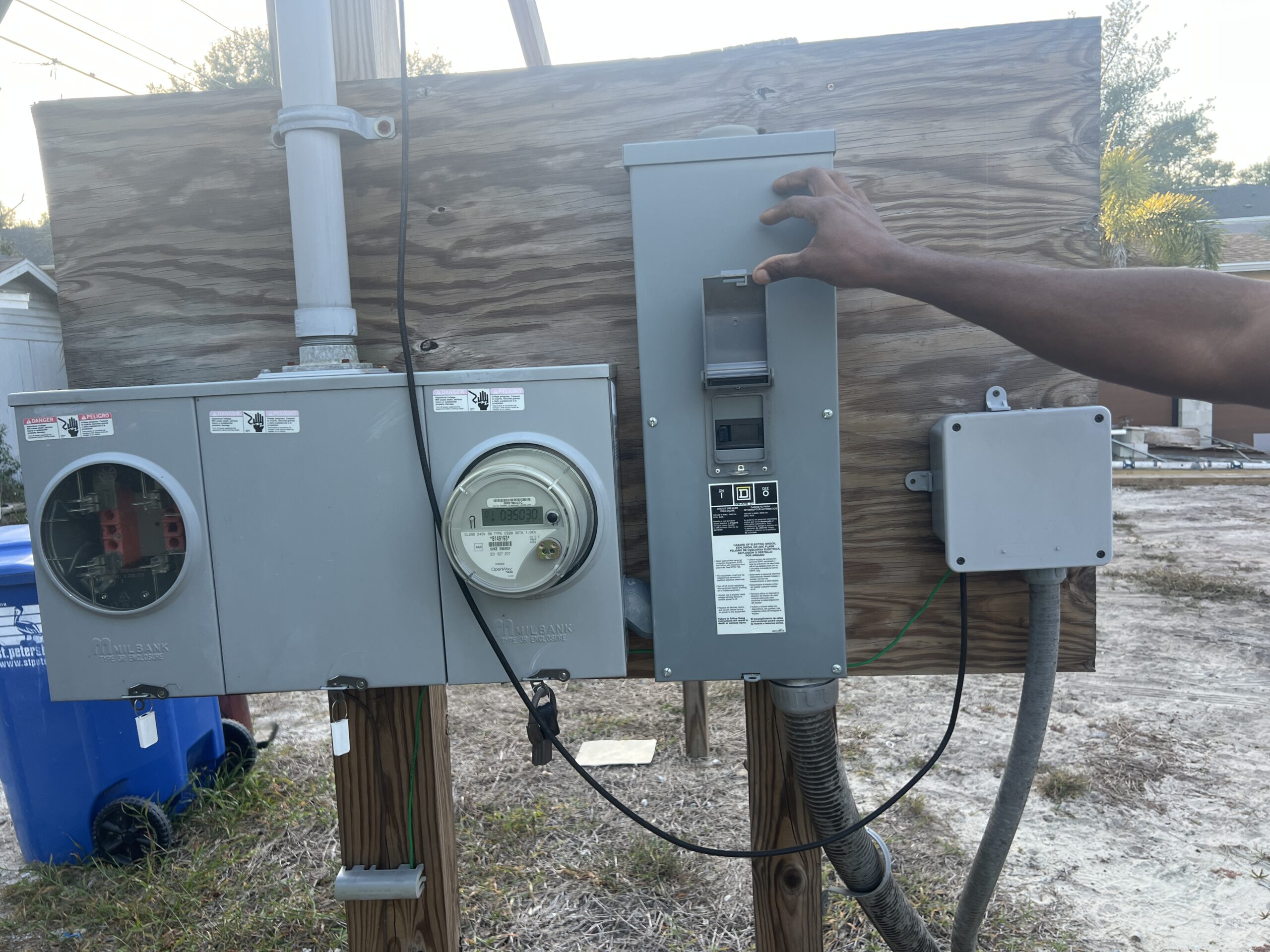
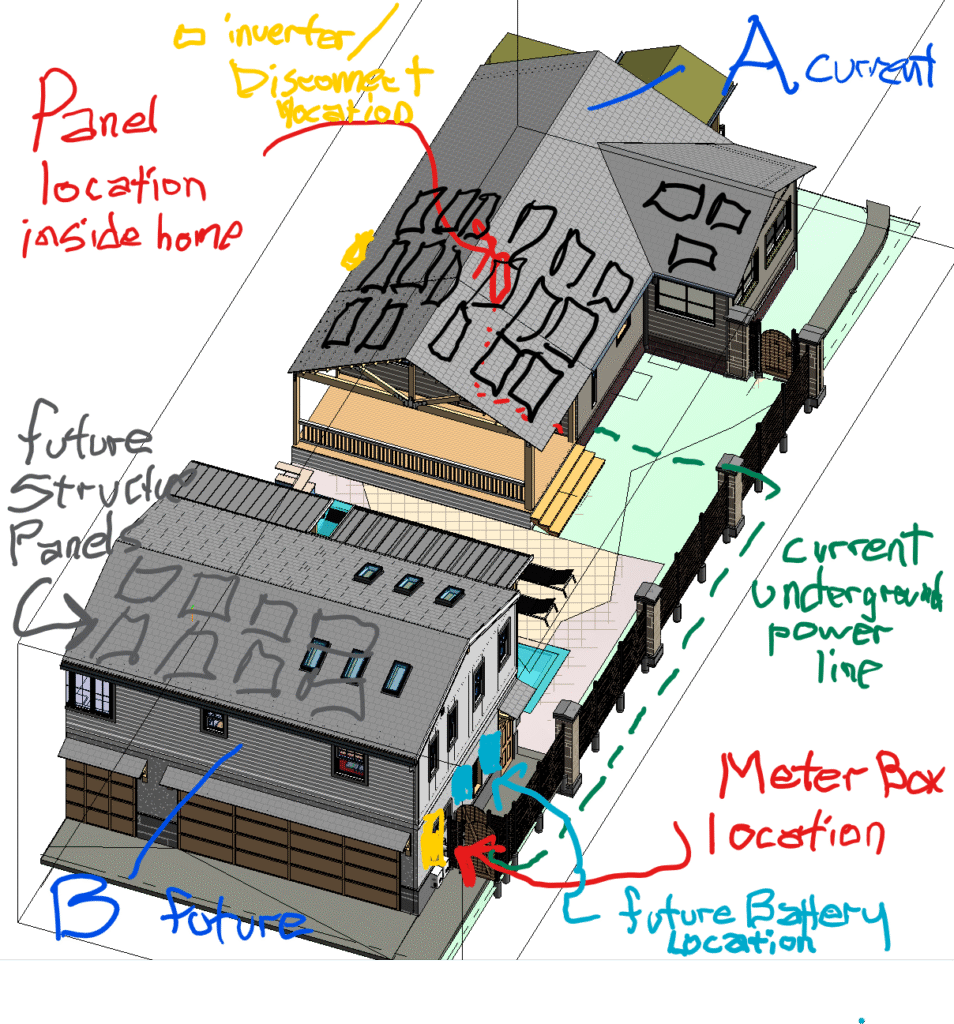
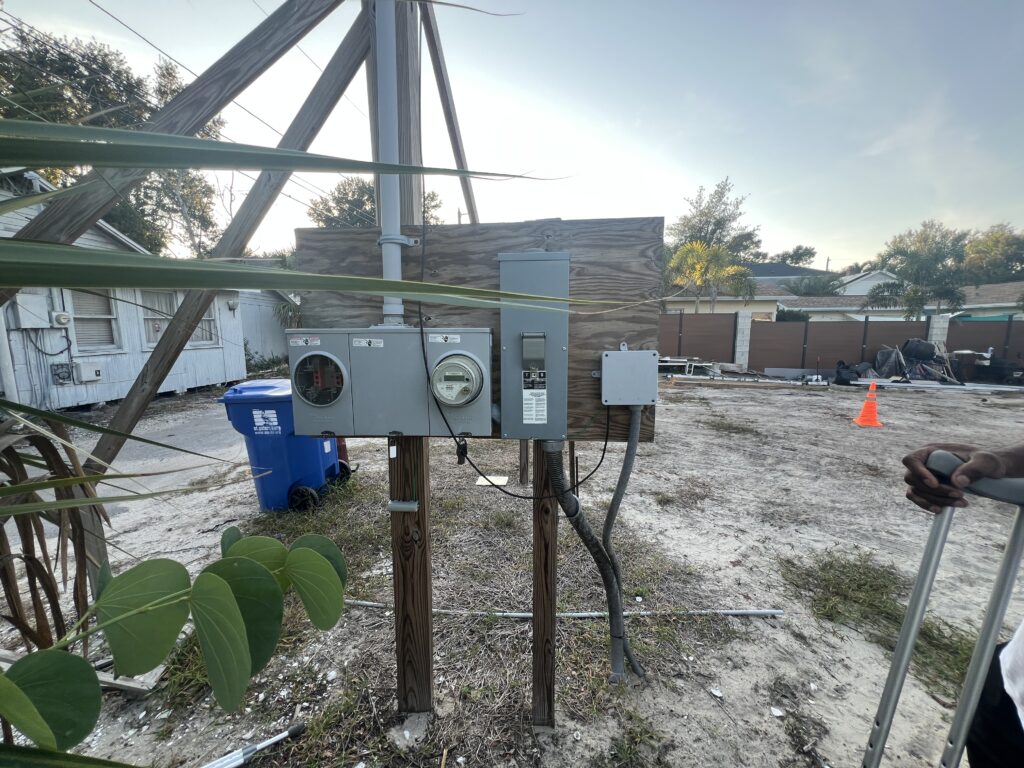
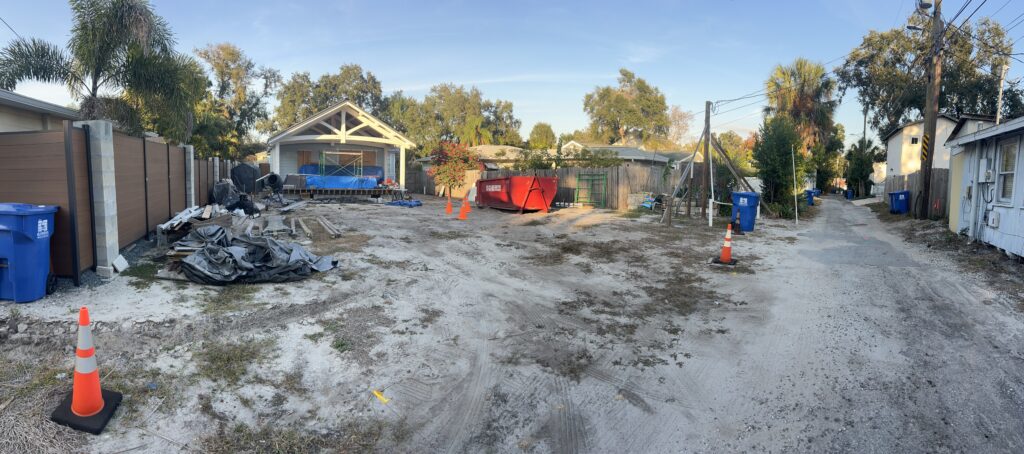
Scott, an experienced construction contractor from Florida, approached us with a common yet critical challenge for his first solar project. He was evaluating three distinct technologies—Enphase microinverters, Tesla Powerwall3, and Tigo MLPE optimizers—but needed expert guidance to understand the practical and code implications of each. His priorities were clear: achieve module-level monitoring for performance monitoring and tracking at module-level and select the most reliable and code-compliant system for a site with a unique obstacle—almost a 100-foot long run between his main house and utility meter, interrupted by a pool in between.
Phase 1: Collaborative System Design & Technology Consultation
We immediately scheduled a technical consultation to discuss his project details further. Our discussion moved beyond brand names to core functionality, clarifying the difference between MPPT-level optimization (typical string inverters) and MLPE-level optimization (module-level power electronics).
We analyzed his site details and priorities, providing a balanced comparison of each technology’s pros, cons, associated system losses, and overall bill of materials (BOM). We thoroughly went through equipment placement locations in each technology case while taking into considering the long 100-feet conduit run along the pool in the middle of the property.
Phase 2: Engineering Code-Compliant, Site-Specific Permit Plans
With the equipment finalized, our engineering team quickly developed the first solar permit plan draft tailored to Florida’s local AHJ and Duke Energy’s specific interconnection requirements. Recognizing this was Scott’s first solar permit submission, we prioritized exceptional clarity, detail and provided prompt support throughout each phase.
The project progressed quickly and some minor comments were updated based on Scott’s provided feedback. The cover page was updated to reflect both system options that Scott wanted and his construction company logo was added to the solar permit plan.
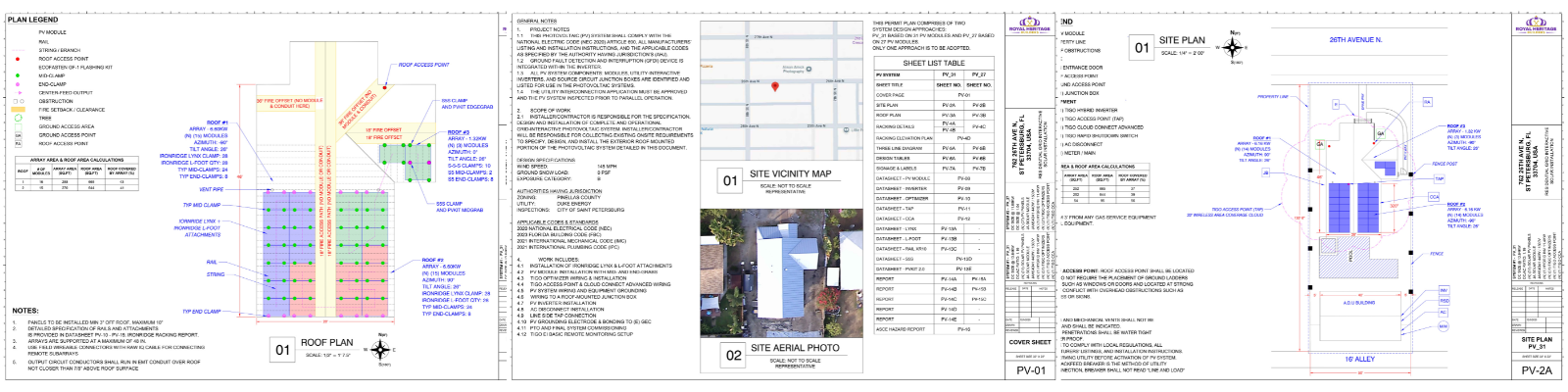
Upon final approval from the client, we shared the solar permit plan with our partner licensed electrical PE from Florida for final review and digital stamp. PE review and stamp for any state usually takes 1-2 days. In Scott’s case, we shared the plan on Friday and received it back the next day on Saturday.
The Result: First-Pass Approval and Successful Interconnection
The outcome was exactly what a first-time installer needs: momentum. Scott received a complete, PE-stamped, and permit-ready solar plan set within a quick turnaround. He submitted the package to his local building department and Duke Energy timely.
The plans were approved without a single revision request. The clear, code-compliant documentation facilitated a smooth installation and inspection process, resulting in a successful utility interconnection with Duke Energy. The project avoided costly delays, redesigns, or frustrating permit resubmissions all thanks to proper planning and clear documentation from the project start.
Check out the final solar permit plan: Scott Solar Permit Plan
Conclusion: Building Confidence for Future Projects
For Scott, this project not only resulted in a fully operational grid-tied solar PV system but also gave him the confidence and technical clarity needed to take on future solar installations.
Are you a contractor or installer planning your first solar PV project and feeling overwhelmed by equipment choices, NEC requirements, or utility rules? Whether you’re deciding between microinverters, string inverters, or MLPE solutions, or navigating complex site conditions, our team simplifies the process by offering expert guidance and permit-ready solar plans tailored to your project and local AHJ.
From system design and SLDs to permit approval and utility interconnection support, we work as an extension of your team—helping you avoid costly mistakes, inspection failures, and project delays.
If you’re looking for a reliable partner to handle your solar permit documentation and technical support from concept to interconnection, write to us now. Let us help you turn your solar project into a smooth, code-compliant success—just like we did for Scott.